
Sources for Past Residents at a Paso Robles Address
Previous residents appear in different records across different eras. County deeds supply the ownership chain. The Assessor and GIS viewer establish parcel identity. Society tax rolls bridge older years. Regional city directories and the 1950 census add household clues. Newspapers, permits, Sanborn maps, obituaries, and probate can explain a change. The table separates the real coverage from the place where each source must be used.
| Source | Years it covers | Where held | What it shows |
|---|---|---|---|
| Recorder originals | 1850 to present | SLO County Clerk-Recorder | Ownership and legal description |
| Online recorder index | 1923 to present | County recorded-documents portal | Free party, document, date, and map search |
| Downloadable deed images | August 8, 2001 to present | Recorder online service | Later images available through paid portal access |
| Society tax rolls | 1892 to 1951 | Virginia Peterson Research Library | Assessed owner and property clues |
| Regional directories | 1954, 1956, 1957, 1958, 1960 | Gale reels and local shelves | Dated person-to-address clues |
| Newspapers and Digital Reel | 1886 to early 1930s searchable onsite | Virginia Peterson Research Library | Social, legal, obituary, and estate clues |
The gaps are part of the research plan. A missing online image is not a missing deed, and an absent directory year is not proof that previous residents left Paso Robles.
Begin a Paso Robles House History With the Legal Description
Take the current situs to the SLO County Property Information Search. Record the APN, selected owner or DBA, situs, and legal-description clue. Then open the county Parcel Viewer or Land Use View and confirm the geometry. A mailing address can belong to a trust, manager, PO box, or person outside Paso Robles, so it should not replace the mapped site.
The legal description is the best bridge when a historic street string changes. The nine-digit assessment number also preserves parcel continuity. Book 008 identifies Paso Robles city assessment geography. Keep the APN and legal description in every deed note, especially when a common surname or a multi-parcel instrument appears.
The county property inquiry portal is the parcel starting point for a previous-resident search.
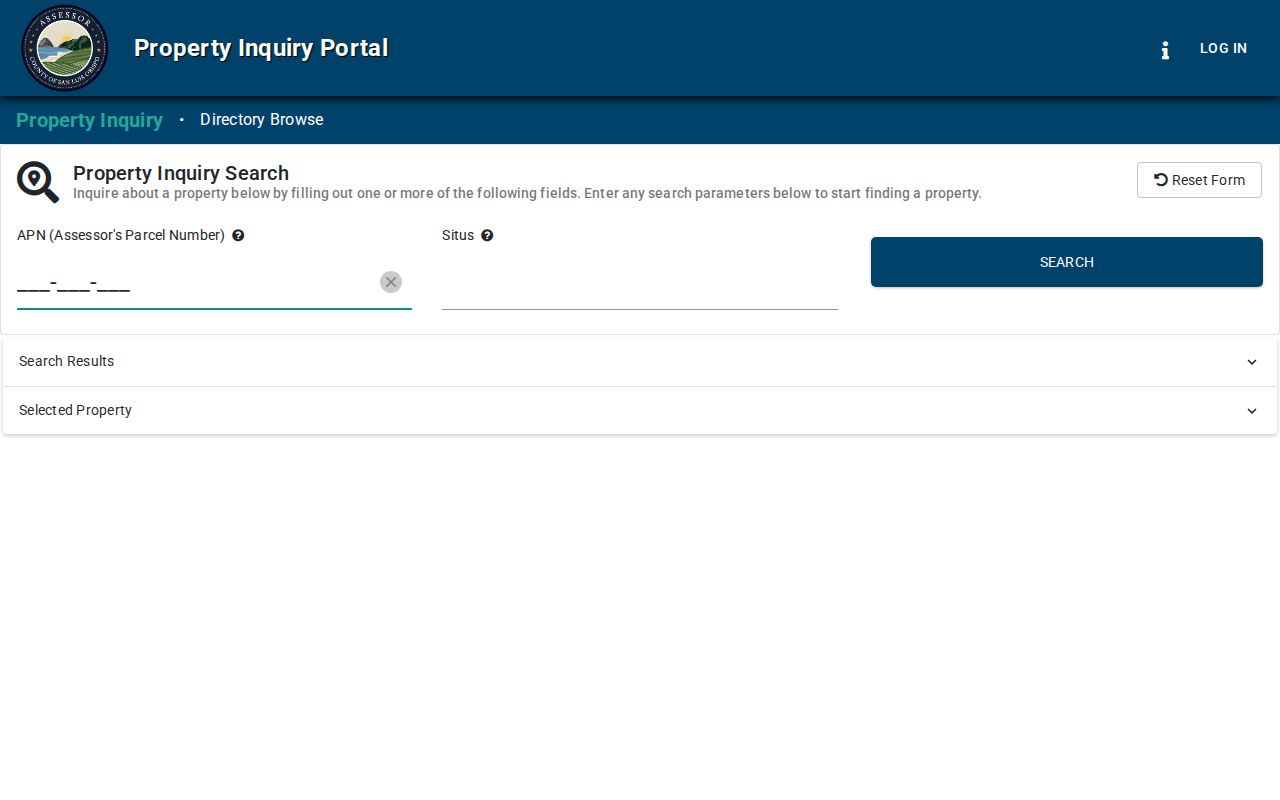
A fixed parcel gives older names a place to belong before the deed chain moves backward.
Walk the Paso Robles Deed Chain Backward
The recorder trail moves from the current indexed owner to the grantor who transferred the parcel, then from that seller to an earlier grantee. The SLO County recorder advanced search accepts document number, recording dates, all names, grantor, grantee, document types, exact match, and wildcard controls. Search the name, then test the parcel and legal description at every hop.
- Search the current situs in the Property Information Search and write down the APN and legal-description clues.
- Search the indexed owner as grantee, limiting the deed type or date range when possible.
- Record grantor, grantee, recording date, document number, and the parcel description from the matching instrument.
- Search the seller as an earlier grantee and reject a hit that does not describe the same land.
- For 2001 and later, order the image online; for 1923 to 2001, inspect or order; before 1923, use county books or office copies.
- Grantor
- The person or entity transferring an interest in the recorded instrument.
- Grantee
- The person or entity receiving the recorded interest.
- Chain of title
- A sequence of recorded transfers tied to the same parcel.
- Legal description
- The written land description that anchors a deed beyond a postal address.
The Three Paso Robles Recorder Eras
Previous residents can be hidden by a change in access rather than a break in ownership. San Luis Obispo County originals reach back to 1850. The free online party index starts in 1923. Downloadable images begin August 8, 2001. Searchers who stop at the web image cutoff may mistake an access boundary for the end of the deed chain.
The county warns that the index may contain errors or omissions and is not a title guarantee. Use the office counter, email clerk-recorder@co.slo.ca.us, fax 805-781-1111, or mail to 1055 Monterey Street, Suite D120, San Luis Obispo, CA 93408 when an older instrument matters. Recording and copy charges change by effective period, so confirm the current schedule with the office.
The county grantor-grantee portal is the source for the online portion of the Paso Robles deed trail.
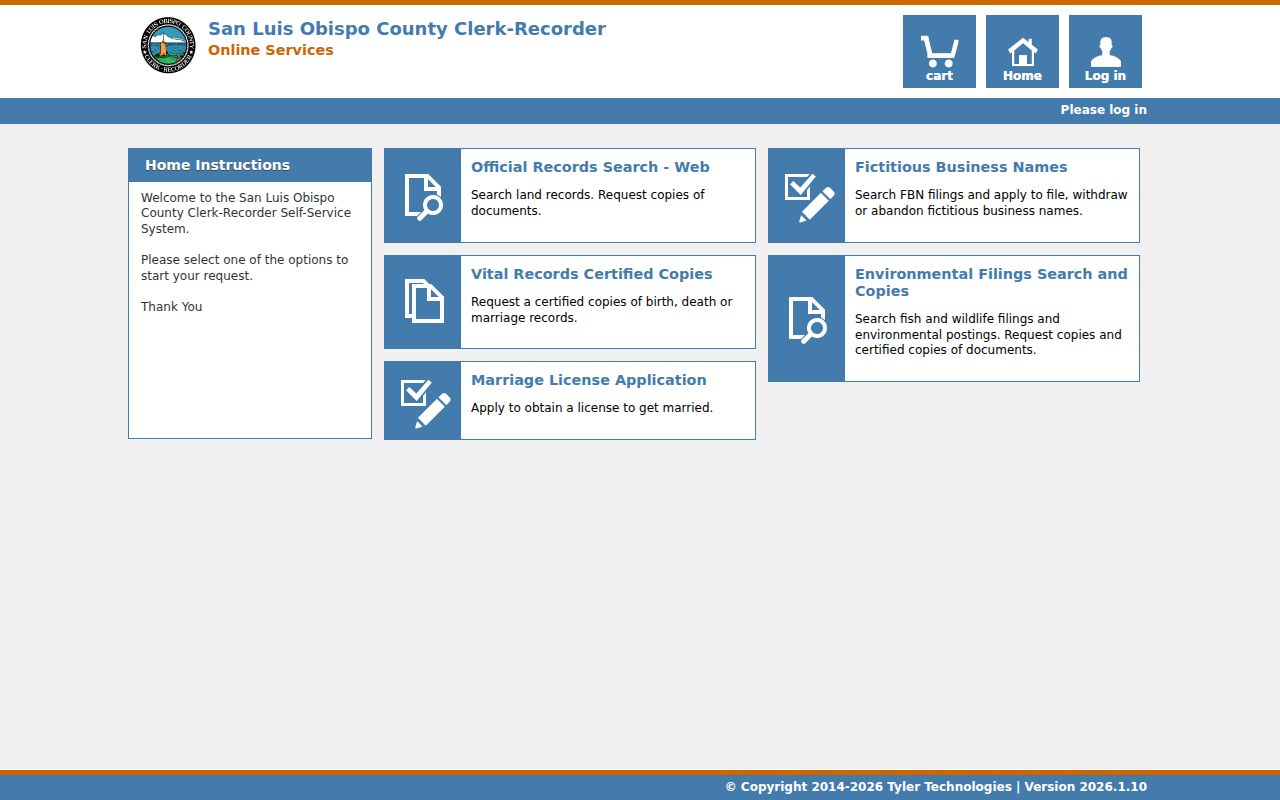
The portal and the county office work together when a prior owner falls before the image period.
1892 to 1951 Tax Rolls Meet the Deed Books
The Society's original tax assessment rolls from 1892 through 1951 are a key Paso Robles house-history bridge. They can identify an assessed owner or property description during years when a street record is hard to search. Compare the roll with the deed chain, then note whether the same person appears in a directory or newspaper.
An assessed owner is not automatically an occupant. The tax roll may show a person or entity responsible for the assessment, while a directory may list someone at the house. A difference is useful. It can point to a family, a business, an estate, or a change that needs a newspaper or probate check.
The Paso Robles history source provides local context for the long property and records trail.
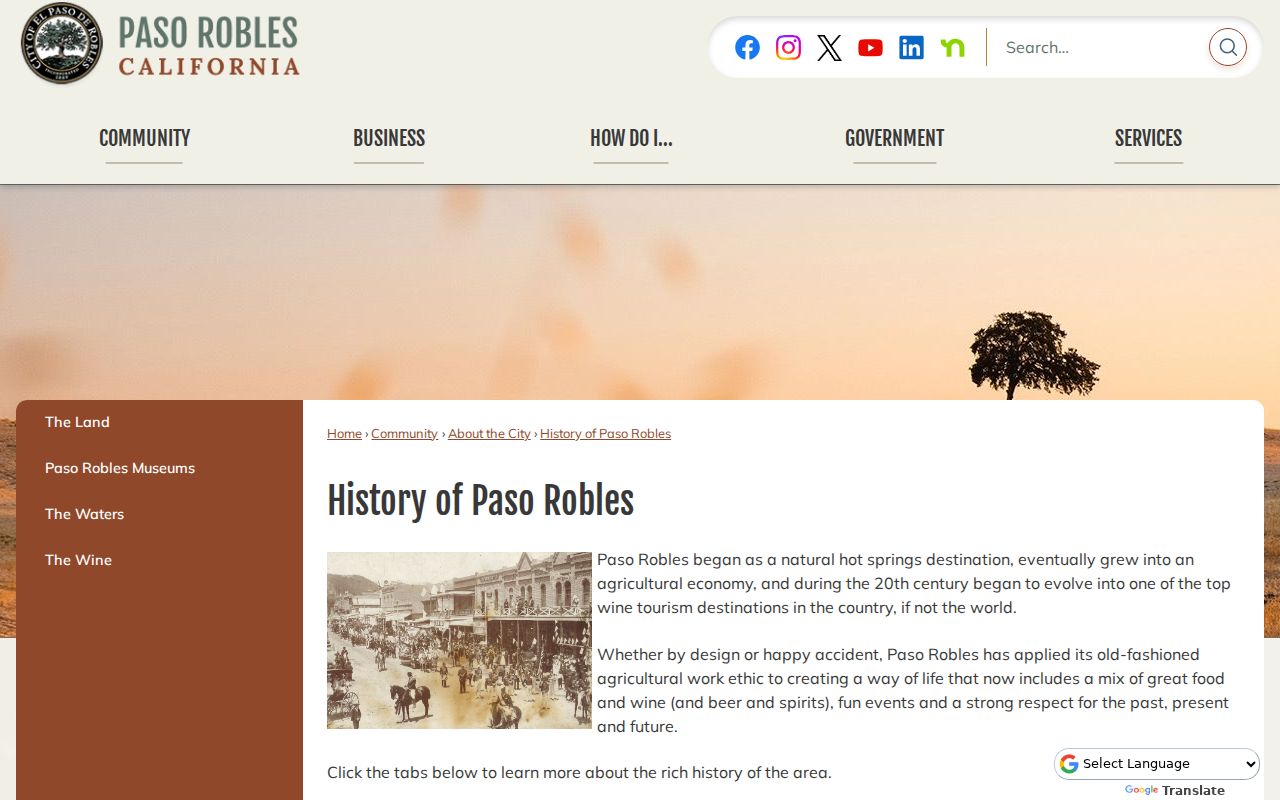
Older assessment material fills a gap that modern parcel portals cannot cover by themselves.
Pair Paso Robles Directories With the 1950 Census
The verified regional directory years 1954, 1956, 1957, 1958, and 1960 sit just after the newest public federal population schedule, the 1950 census. Pair a directory appearance with the census household, then move forward through each available directory year. Note address, spouse notation, household names, occupation, and disappearance. The result is a dated trail, not a smooth annual record.
For an earlier family, the 1892 to 1951 tax rolls and newspaper runs are stronger bridge sources. The Paso Robles City Library genealogy resources supply HeritageQuest and census access, while the Society supplies the local files. The separate collections make it possible to test a name without pretending that one city directory covers every year.
Sanborn Maps and the Paso Robles Historic Survey
Sanborn maps and the Historic Resources Inventory add physical context to previous residents. The official Historic Resources Survey crosswalks street addresses, APNs, historic names, and status. Examples include Hamilton House at 1301 Chestnut, Dr. Gates Cottage at 1415 Oak, Betts Home at 1705 Oak, Lipscomb House at 1707 Oak, Nelson House at 1709 Oak, and several Vine Street houses.
Use the address and APN crosswalk to test whether an old house name belongs to the same parcel in a deed chain. The map or survey can show footprint, use, and neighborhood history. It does not establish every person who lived in the structure. Pair the physical clue with a tax roll, directory, newspaper, or probate record.
The Paso Robles Historic Resources Survey is a strong location-specific source for that parcel-to-history step.
Date a Paso Robles House Change With Permits
Permits can supply work dates, descriptions, applicants, contractors, and inspection context. Use Paso Permits for a city property and permit search, then the Final Permit Reports archive for month-by-month reports. Exact public fields and the first digital year were not verified, so a missing result needs a City Clerk request rather than a guess.
For a 93446 parcel outside incorporated Paso Robles, use county Land Use View, County Planning and Building systems, or a bounded public-record request. A permit can date a remodel or change of use. It cannot prove who occupied the address before or after the work.
The Paso Robles Final Permit Reports archive provides a dated city source for house-history research.
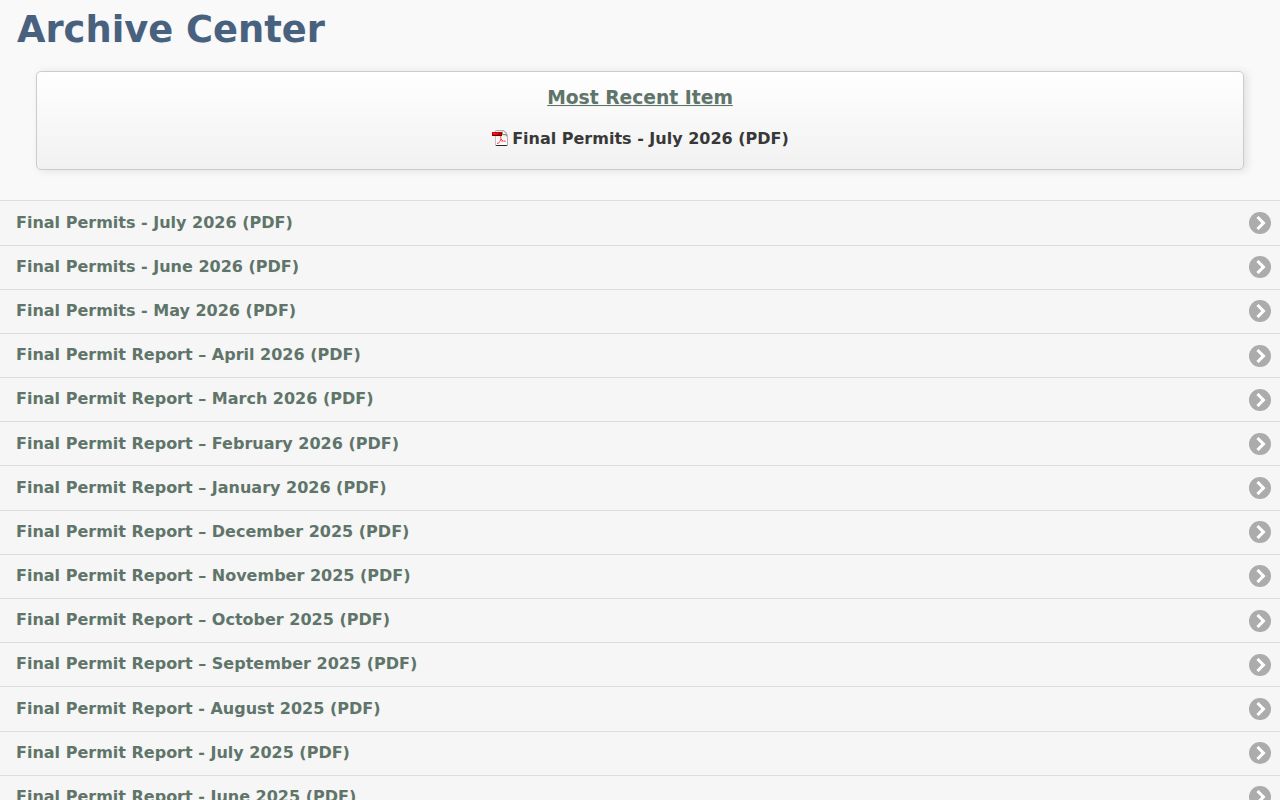
Permit dates can mark a physical change in the chain, while names still need independent records.
Close a Past-Resident Trail With Obituary and Probate
Obituaries and probate are useful endpoints when a former occupant has died. Search Digital Reel newspapers for the surname, address, spouse, or estate notice. Then check the Superior Court probate material or recorded affidavits and distribution deeds. An obituary can suggest kinship and a cemetery. The court or deed record is the stronger proof of an estate action or land transfer.
Keep the chain cautious. A newspaper may use an old street form, a nickname, or a family description. A probate case may concern a person with the same name in another place. Match the legal description, date, relatives, and address before linking the estate to the Paso Robles parcel.
The Paso Robles Pioneer Museum preserves local cultural and commercial history that can add context after the documentary trail is found.
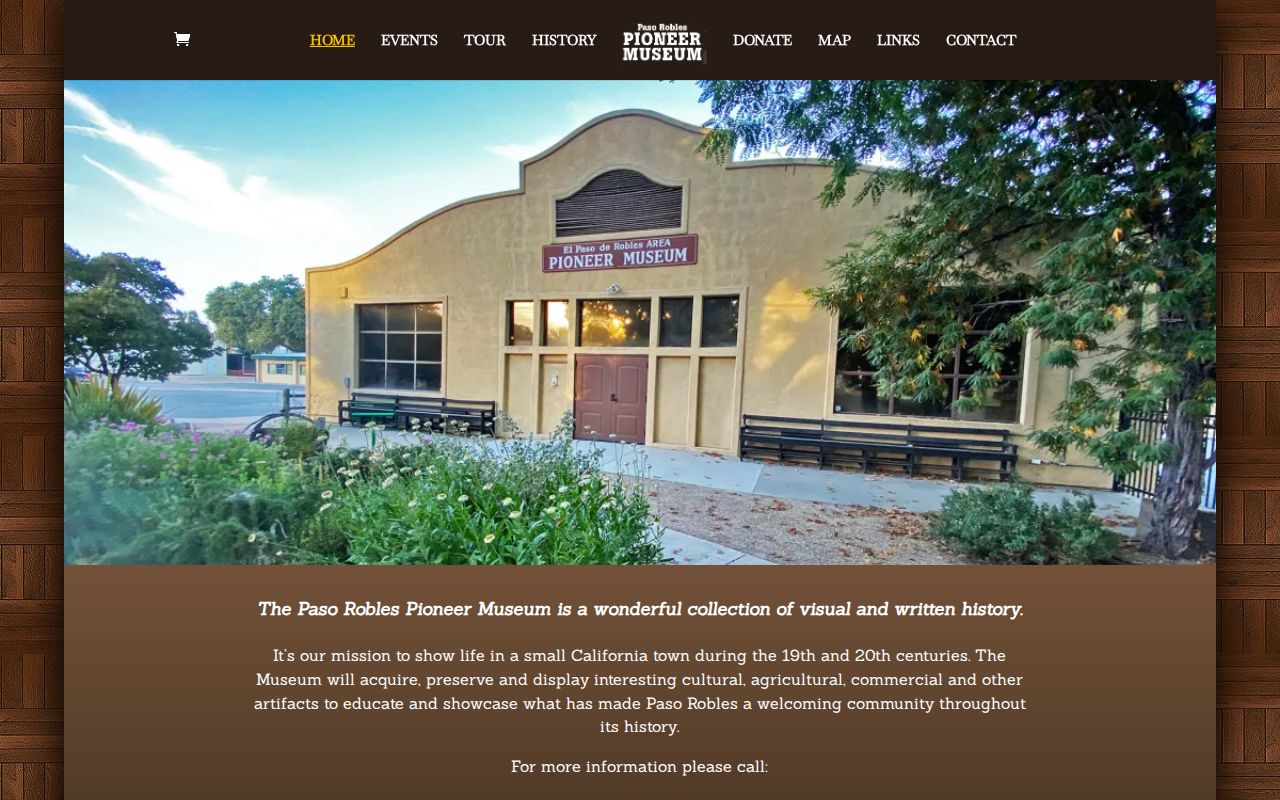
Museum context can enrich a house story, but a deed, court file, or certificate remains the record for a legal claim.
Past Households: Directories, Census, and Obituaries
Previous residents are best reconstructed by pairing sources instead of searching for one perfect list. A directory gives a dated name and address clue. A census gives household structure for its release year. A newspaper can add a social or estate notice. A deed shows an ownership transfer. The Society's tax rolls and Sanborn material keep the parcel in view while the people change.
The Paso Robles directory book owns the historical collection details. The current parcel chain belongs with the street address workflow. Linking the two keeps the past-resident search focused on one address rather than repeating the full shelf description in every record page.
Use house history, genealogy, and lawful personal research as the purpose. A past address is not permission to contact, expose, stalk, harass, or harm a person.
Ask Neighbors, Then Verify the Paso Robles Record
The Historical Society's house-history guidance recommends asking neighbors, reading the legal description on a tax statement, obtaining a title search, and visiting the County Recorder. An oral clue can point to a former surname or house name. It should be followed by a deed, tax roll, newspaper, directory, permit, map, obituary, or probate record.
That order matters. A memory can be rich and still attach to the wrong address. The parcel and legal description provide the test. If the physical house is historic, use the survey and Sanborn material to connect the old name to the current APN before treating a previous-resident clue as settled.